The Best UX Design Practices for Finance Apps in 2026
Introduction
The best UX design practices for finance apps in 2026 are designing for trust, minimizing onboarding friction, using microinteractions for feedback, AI-driven personalization, cross-platform consistency, financial wellness features, conversational interfaces, accessibility and compliance, continuous testing, and strategic UX partnerships. This matters because experience is now the deciding factor in whether users stay: a PwC report found 70% of consumers prioritize user experience in their purchasing decisions, and Deloitte's 2025 research found 38% of new customers abandon onboarding when the process takes too long.
For leaders at enterprise financial services companies, Directors, VPs, SVPs, and Heads of Product or Digital, understanding what defines the best finance apps in 2026 is essential to maintaining relevance and competitive edge. This guide highlights the most important, practical UX principles you can implement now, from biometric onboarding and cross-platform consistency to conversational interfaces, so you can build a more intuitive experience and a more resilient business.

The List
Design for Trust and Transparency
Trust is foundational in digital finance, and your banking app UX must help users feel secure and in control when managing sensitive transactions. In 2026, security itself has become a design experience: users want to feel safe without being constantly reminded that risk exists, which is why biometric and passive security flows that blend invisibly into daily use are replacing intrusive checks. Build confidence with clean layouts, visible security indicators, real-time alerts, transparent fee breakdowns, and user-managed privacy settings. A strong financial UX design is simple, reassuring, and responsive, key traits of the best finance apps in today's market.
Minimize Friction in Onboarding
Great fintech UX begins the moment a user launches your app, and onboarding is where apps lose the most users, with research showing nearly 75% abandon a new app within the first week and a frustrating sign-up a leading reason. Use progressive disclosure, biometric logins, passkeys, and QR authentication to simplify the process, and let users save progress and re-enter after abandonment rather than forcing a single long form. The payoff is measurable: streamlining KYC and AML forms and adding social proof has cut onboarding drop-offs by 40% to 50% in major markets. Prioritize simplicity, mobile-first design, and a flow that inspires trust from the first interaction.
Prioritize Microinteractions and Visual Feedback
Small animations and cues, called microinteractions, enhance usability and reinforce system responsiveness. In digital banking UX, these details show users what is happening behind the scenes, from button animations to visual progress indicators, and they matter most at high-stakes moments like confirming a transfer or completing verification. Thoughtful microinteractions, including microcopy that explains a verification step or a calm confirmation message, make even complex transactions feel accessible, elevating the overall experience by making it feel dynamic, responsive, and human-centered.
Enable Hyper-Personalization with AI
Users now expect financial tools that reflect their unique needs, and AI is the engine behind it, powering smart dashboards, goal tracking, and custom insights. Personalization is not cosmetic: research indicates it can reduce churn by up to 15% in financial apps. The 2026 standard uses behavioral rather than demographic segmentation, adapts the interface to each user's financial habits, and gives users control toggles over how much personalization they receive. For predictive insights, leading apps show confidence levels, such as an estimate of how likely a user is to reach a savings goal, which builds trust rather than demanding it. In this context, personalization is foundational to lasting engagement.
Optimize for Cross-Platform Consistency
Users switch between devices frequently, and if your app lacks consistency across desktop, tablet, and mobile, they feel disconnected. Unified design systems make it easier to deliver a seamless experience everywhere, with standardized status labels and shared components across web and mobile surfaces. Strong banking UX design supports multi-device continuity, letting users start an action on mobile and complete it on desktop without disruption, which is critical in modern UX design for fintech.
Design for Financial Wellness, Not Just Transactions
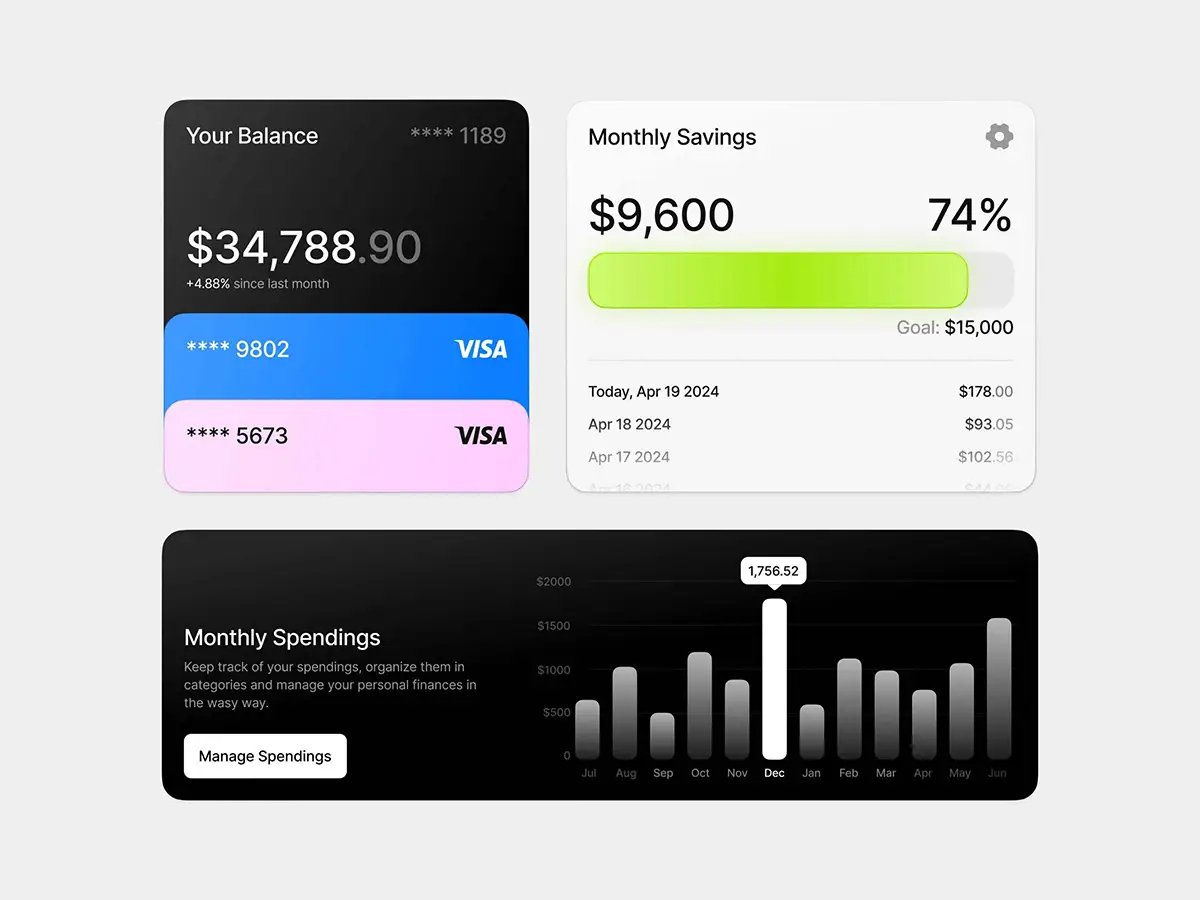
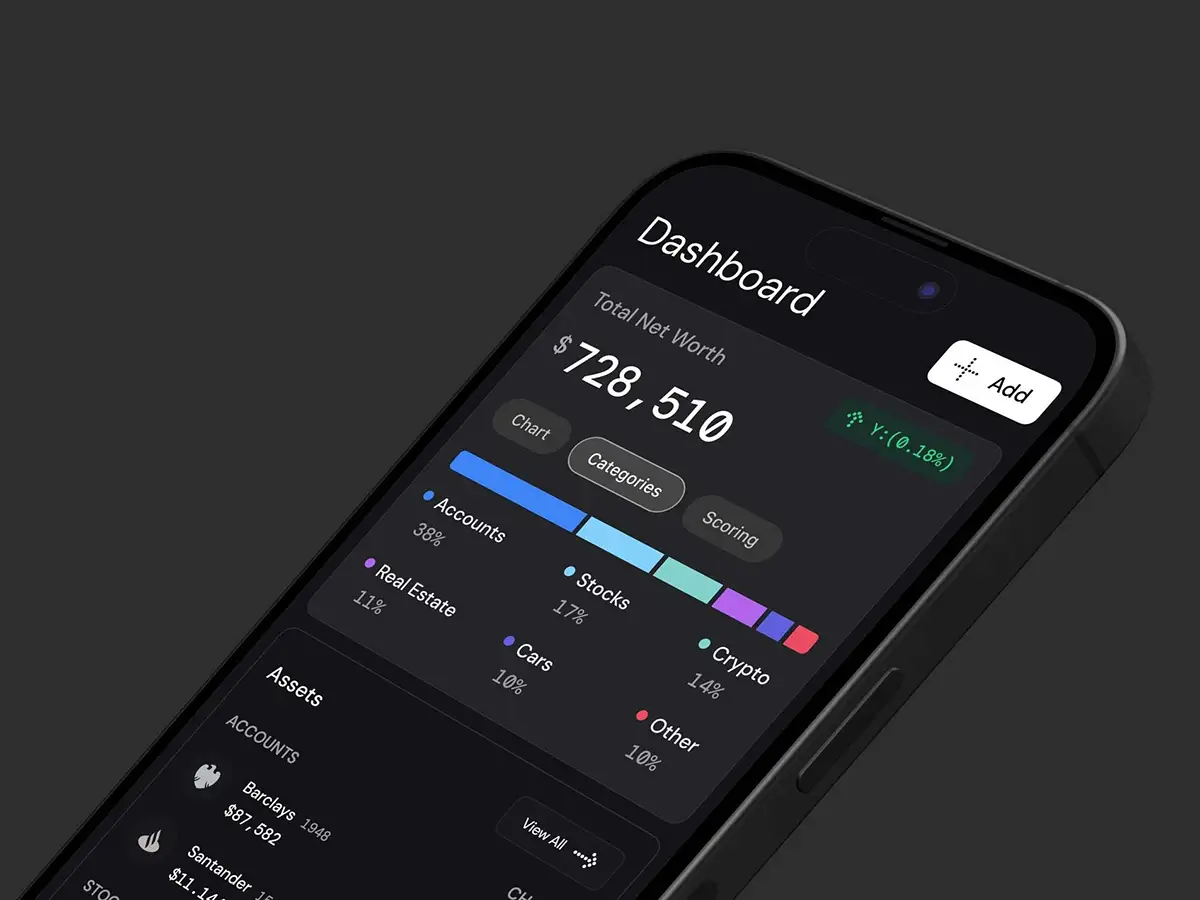
The best bank UX goes beyond transactional efficiency to help users manage finances holistically, through budgeting tools, net-worth tracking, and goal-setting features. By embedding financial education and wellness-focused features, fintech UX becomes more than a utility; it becomes a trusted companion. This reflects the broader 2026 shift from utility-driven apps to relationship-based design, where the most successful financial UX meets users where they are and guides smarter financial behaviors over time.
Integrate Voice and Conversational Interfaces
Voice commands and chat interfaces are rising in financial services, representing a fundamental shift toward natural conversation over visual navigation while expanding accessibility for diverse needs. Integrating them into your banking app UX improves accessibility and speeds up user flows, whether for balance checks, quick transfers, or customer support. As agentic assistants mature, these interfaces increasingly execute tasks rather than just answer questions, redefining digital banking UX for users who want faster, more intuitive ways to interact with their finances.
Don't Ignore Accessibility and Compliance
Accessibility is essential, not just for legal compliance but for ethical and inclusive design. Color contrast, screen reader compatibility, correctly linked input labels, keyboard-navigable authentication and KYC flows, and clear error messaging must be core to your fintech UX. Charts and data visualizations need text alternatives and summaries. The strongest approach embeds compliance seamlessly, streamlining KYC by letting users upload documents directly and verifying with automation, so regulatory requirements never compromise usability. In a competitive field, accessibility and compliance are markers of quality and professionalism.
Test Continuously with UX Analytics
To maintain the best bank UX, continuous improvement is key. Leverage heatmaps, funnel analysis, and user surveys to gather behavioral insights, track drop-off through each onboarding step, and run quarterly UX audits. A/B testing and usability research validate ideas before launch. Strong banking UX is never finished; it evolves through iterative testing and ongoing learning.
Collaborate with Strategic UX Partners
Executing sophisticated banking app UX design often requires expertise beyond internal teams. Partnering with firms like G&CO. brings access to proven methods, experienced designers, and delivery at enterprise scale. From discovery workshops to complete UX design for fintech overhauls, external partnerships help you accelerate impact, reduce risk, and stay aligned with business objectives.


%20(1).png)

Let’s kickstart the conversation and design stuff people will love.

The Retail & Consumer Index


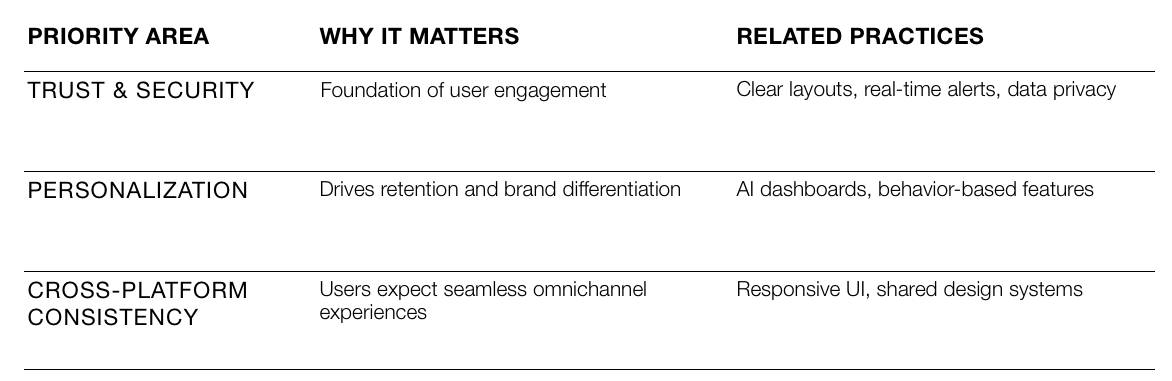
Visual Summary: Top 3 Practices to Prioritize in 2026
Strategic Commentary
One theme unifies these best practices: the shift from utility-driven apps to relationship-based design. Today's digital banking UX must empower, educate, and adapt in real time. Simply offering functionality is not enough, because users want a partner in their financial journey.
As technologies like voice, AI, and mobile evolve, the pressure to deliver exceptional banking UX grows, and the emotional stakes are unique to finance, where users carry real anxiety and hope into every interaction. Yet many firms still underinvest in this area or treat UX as secondary. In 2026, leadership teams must recognize that fintech UX is not a side feature; it is a direct contributor to retention, trust, and growth, and the companies that win treat UX as a core strategic investment rather than a cosmetic layer.
Frequently Asked Questions
What are the best UX design practices for finance apps in 2026?
The core practices are designing for trust and transparency, minimizing onboarding friction with biometrics and progressive disclosure, using microinteractions for feedback, AI-driven personalization, cross-platform consistency, financial wellness features, conversational interfaces, accessibility and compliance, continuous UX testing, and strategic UX partnerships.
Why do users abandon finance apps?
Mostly friction and poor experience. Deloitte's 2025 research found 38% of new customers leave mid-onboarding when it takes too long, and other research shows nearly 75% of users abandon a new app within the first week. A PwC report found 70% of consumers prioritize user experience in purchasing decisions.
How can fintech apps reduce onboarding drop-off?
By simplifying and sequencing the flow. Progressive disclosure, biometric logins, passkeys, QR authentication, saved progress, and streamlined KYC and AML forms have cut onboarding drop-offs by 40% to 50% in major markets.
How does personalization affect fintech retention?
Significantly. Personalization can reduce churn by up to 15% in financial apps when it uses behavioral segmentation, adapts to each user's habits, and gives users control over how much personalization they receive, ideally with confidence levels on predictive insights.
What makes users trust a finance app's design?
Visible security handled as a design experience rather than a barrier: biometric and passkey authentication, transparent fee breakdowns, reassuring microcopy, real-time alerts, consistent design, and easy access to human support from any error state.
Conclusion & Next Steps
In 2026, the line between financial services and digital experience continues to fade. By applying these ten practices, your team can elevate the experience, and the value, of your finance app. From onboarding to AI-driven insights, every element of fintech UX design should serve the user first.
Begin by auditing your current banking app UX and prioritizing three areas for improvement. Then explore how G&CO. can help you apply best practices and reimagine your digital journey.
Need help turning these ideas into results? Start the conversation with G&CO.
Always-On Customer Intelligence
Turn your own customer data into foresight — validate, simulate, and sense every major decision before you commit.